

Nakakapag-ipon ka na ba kahit pa-konti-konti?
If you’ve followed Episode 4, you’re already one step ahead.
Pero aminin natin, isang swipe lang, ubos agad ang ipon.
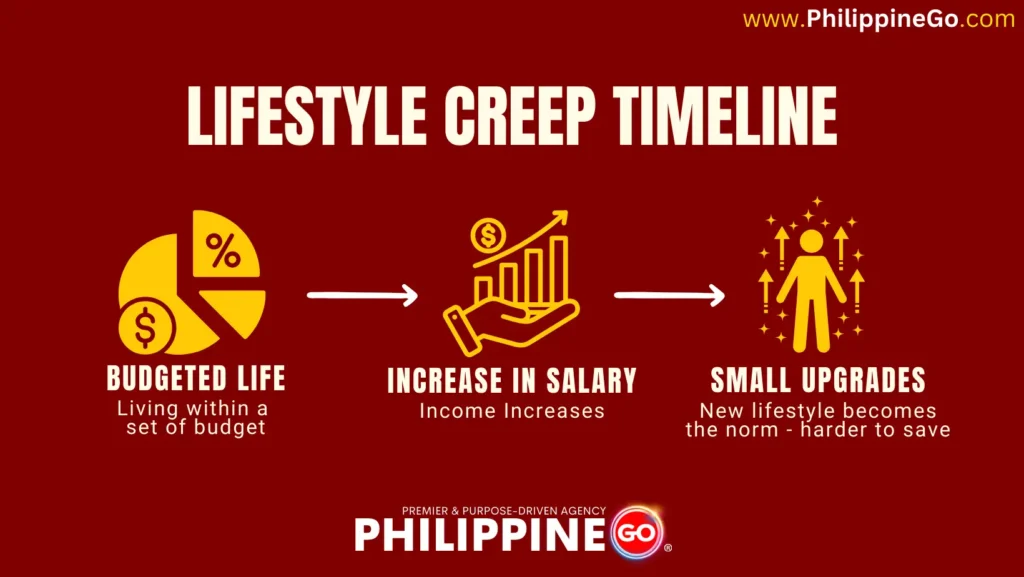
New salary? New gastos? That’s the lifestyle upgrade trap na madalas hindi natin napapansin.
But don’t worry, dito sa Utang 101, tutulungan ka naming iwasan ‘yan.
We’re with you, every step of the way.
Table of Contents
Why Lifestyle Inflation is Dangerous
So you finally got a raise. Congrats!
Pero bakit parang pareho pa rin ang laman ng wallet mo?
That’s lifestyle inflation, and it’s more common than you think.
When your expenses grow as fast as your income, walang natitirang savings.
What’s worse, you get stuck in a cycle of working harder just to maintain a more expensive lifestyle.
Hindi ka nalulubog sa utang, pero hindi ka rin umaasenso.
Examples of Lifestyle Creep
Let’s make it real. Here’s what lifestyle inflation can look like:
- New salary, new phone
- Tipid ka dati, pero nung dumating ang sweldo, biglang upgrade sa iPhone.
- More frequent Grab orders
- Dati nagbabaon, ngayon puro delivery kahit pwede naman magluto.
- Big expenses na “reward” daw
- One bonus leads to shopping sprees or gadgets, thinking you deserve it.
Akala mo deserve mo (and yes, you do!), pero hindi lahat ng “reward” ay kailangan agad-agad.
Recommended to Read: Top 5 Habits That Keep You from Saving.
How to Tell Good Debt from Bad Debt
Not all utang is bad. But how do you know which one can actually help you and which one can drag you down?
Let’s break it into two simple parts:
1. Good Debt (when it can help you)
Good debt works for you, not against you.
Ito ‘yung mga utang na may return or long-term value.
✅ Examples:
- Student loan or education loan – For skills or a degree that can increase your future income
- Business loan – For a side hustle or small business that generates money
- Home loan – If you’re investing in property at a stable rate and cost
Ang key: may plan ka to pay it back, and may purpose kung bakit mo ito kinuha.
2. Bad Debt (when it can hurt you)
Bad debt takes more than it gives.
Ito ‘yung utang na minsan nagsimula sa small wants pero lumaki nang di mo namamalayan.
🚫 Examples:
- Credit card na ginagamit sa luho – Gadgets, travel, or online shopping
- Cash loans na walang planong bayaran agad – Especially if high-interest
- Buy now, pay later na hindi mo afford – Madaling makuha, pero mahirap bayaran
Kapag wala itong long-term benefit at nagpapahirap lang sa ‘yo monthly, it’s not worth it.

→ Learn more in 7 Tips You Need to Know Before Borrowing a Loan before making debt decisions.
What You Can Do to Avoid Spending Pressure
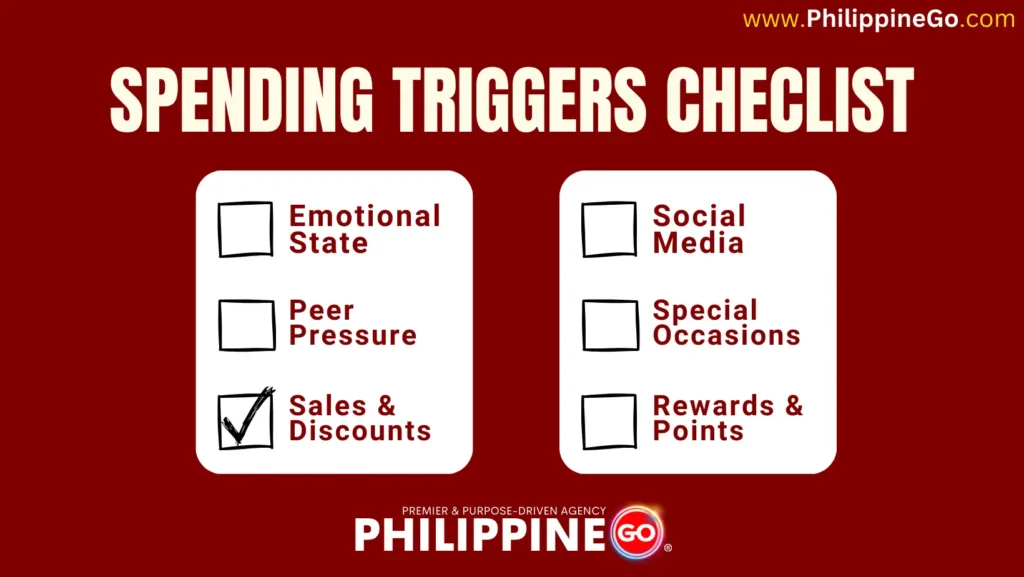
Have you ever bought something just because “nakakahiya tumanggi” or “lahat meron na”?
Spending pressure is real, but there are ways to fight it without sounding rude or feeling left out.
Saying no without feeling bad
Hindi mo kailangang gumastos para lang makisabay. Learning to say “No, thank you” is not being kuripot, it’s being smart.
Here are three ways to avoid pressure spending:
- Set personal rules – Halimbawa, “I only eat out once a week.” Kapag may nag-aya, may ready ka nang sagot.
- Delay your response – Sabihin mo muna, “Let me think about it,” instead of an instant yes.
- Focus on your goals – Always remind yourself: “Mas gusto kong may ipon kesa temporary enjoyment lang.”
Saying no now doesn’t make you less fun. It makes you more in control.
Related: 5 Budgeting Apps You Can Try to Track Every Peso.
Final Thoughts
Spending more doesn’t always mean you’re doing better.
The real flex? Yung alam mong hindi ka kakaba-kaba sa next sweldo dahil may plano ka.
We’ve been there too, kaya alam naming these money moves actually work.
Up Next: Episode 6
You’re now debt-aware, but what’s next?
If you want to level up at work and earn more, you need to prepare yourself for bigger opportunities.

Episode 6:
- Want Promotion? Eto ang Dapat Mong Simulan Ngayon
In the next episode, you’ll learn how to improve your skills, position yourself for promotion, and open more doors for your career.
“Hindi masamang umasenso. Ang mahalaga, may plano ka.”
Philippine Go is with you, every step of the way.