
Still sending out resumes but not getting any job offers?
You’re not alone. Many jobseekers are asking the same thing: “What am I doing wrong?”
You have the drive. You have the degree.
But here’s the truth: qualifications alone aren’t enough anymore.
Let’s talk about the skills to learn while job hunting in 2026 that actually get you hired.
Table of Contents
Why skills matter more than ever
Before we dive into the best skills to learn, let’s get this straight: employers today aren’t just hiring degrees. They’re hiring doers.
Job hunting in 2026 is competitive. AI, remote work, and fast-changing industries mean that what mattered before may not matter now.
The ability to show practical skills gives you a real edge.
So what skills should you focus on?
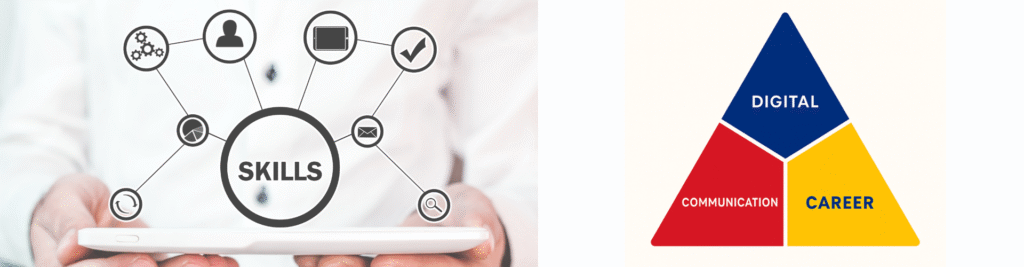
Let’s break them into three key areas: Digital, Communication, and Career Skills.
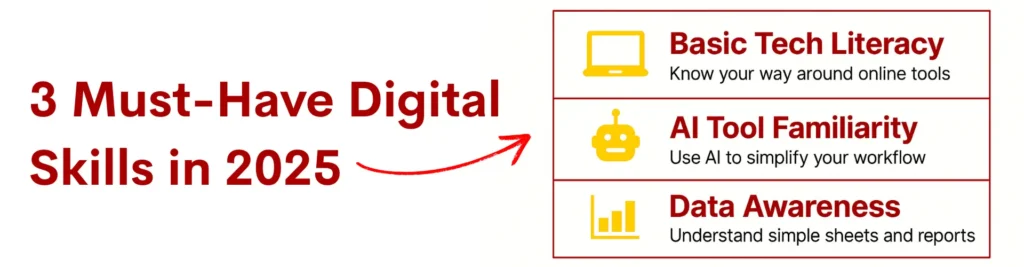
Digital Skills You Can’t Skip
In this job market, being digitally skilled is no longer optional. It’s expected.
1. Basic tech literacy
Every job now involves a screen. You don’t have to code, but you do need to:
- Use Google Workspace or Microsoft Office confidently
- Navigate Zoom, Slack, and other remote tools
- Understand basic troubleshooting
Tip: Explore Google Digital Garage. It’s free and beginner-friendly.
2. AI tool familiarity
AI is not replacing you, but someone who knows how to use AI tools might. Learn how to:
- Prompt ChatGPT or similar tools for research and drafts
- Use Canva for quick designs
- Automate tasks with simple tools like Zapier
These tools are resume gold.
3. Data awareness
You don’t need to be a data analyst, but basic knowledge of:
- Google Sheets formulas
- Data interpretation
- Simple dashboards or reports
…can put you ahead in entry-level roles.
Communication Skills That Open Doors
Digital skills get you in, but communication skills help you stay and grow.
1. Written clarity
From emails to reports, clear writing matters. You should know how to:
- Write a professional email
- Create simple summaries
- Avoid “text speak” in formal conversations
Practice writing short emails and using Grammarly or Hemingway Editor.
2. Verbal presence
Whether in interviews or Zoom calls, how you talk builds confidence. Improve by:
- Practicing common interview answers aloud
- Joining speaking clubs like Toastmasters
- Watching how recruiters talk on YouTube
People don’t just hire qualifications. They hire those who communicate well.
3. Listening skills
Don’t just wait for your turn to talk. Employers value those who:
- Can absorb instructions clearly
- Take notes properly
- Ask the right follow-up questions
Learn how to handle interview questions here: How to Answer Government Job Interview Questions
Career-Building Skills That Make You Stand Out
Now that you have the basics covered, let’s move to long-term value.
1. Problem-solving mindset
Every company wants thinkers, not just task-doers. Practice by:
- Reflecting on past situations where you solved problems
- Joining online case challenges
- Using the STAR method in interview answers
Tip: Always ask yourself “How would I solve this?” when faced with a new challenge.
2. Time management
This skill is a major green flag for employers. Start by:
- Using tools like Google Calendar or Notion
- Following the Pomodoro technique for focus
- Prioritizing tasks by importance, not just urgency
Time skills = work ethic.
3. Adaptability
In a fast-changing world, being flexible is a career superpower. Show this by:
- Learning new skills regularly
- Being open to different types of jobs or roles
- Sharing stories of how you handled change
Job hunting is a process. Adaptability keeps you in the game.
How to Learn These Skills (Even Without a Budget)
Don’t let “Wala akong pang-enroll” stop you. Many learning resources are 100% free.
Here are three practical options:
1. Free online courses
- Coursera (many courses are free to audit): https://coursera.org
- Google Career Certificates: https://grow.google/certificates/
- TESDA Online (great for Filipino jobseekers): https://e-tesda.gov.ph
Choose one course per month to stay consistent.
2. YouTube university
Search for:
- “Resume writing tips for fresh grads”
- “Interview skills for beginners”
- “How to use Excel basics”
Stick to channels with HR professionals or company recruiters.
3. Volunteer or freelance
You don’t need to be hired to start learning. Offer your help to:
- Local orgs or small businesses
- Student councils or clubs
- Relatives’ businesses (even online)
Real experience builds real skills.
Start earning online with this: Top 9 Entry-Level Online Jobs for Beginners in the Philippines
What Employers Are Really Looking For
To make sure you’re on the right path, here’s what recruiters say they look for in 2026 applicants:
| Recruiter Priority | Skill That Matches |
|---|---|
| Can work without micromanaging | Time Management, Communication |
| Can adapt to changes | Adaptability, Problem Solving |
| Willing to learn new tools | Tech Literacy, AI Tools |
A good resume shows what you’ve done. A great resume shows what you can do next.
Learn Also: How to Create a Resume That Works in 2026
Final Thoughts
You don’t need to master everything overnight. Focus on this simple rule of three:
Start with one digital skill, one communication skill, and one career skill.
Apply it. Practice it. Then build from there.
And remember: Every expert started clueless too.
References
- Google Digital Garage: https://learndigital.withgoogle.com/digitalgarage
- TESDA Online Program: https://e-tesda.gov.ph
- Google Career Certificates: https://grow.google/certificates/
- Toastmasters International: https://www.toastmasters.org/
- Coursera: https://www.coursera.org/
- LinkedIn Learning Skills Report: https://learning.linkedin.com/resources/workplace-learning-report