

Payday feels exciting, but it also brings pressure.
The moment your salary arrives, bills, rent, and daily needs quickly pull it away.
If you don’t have a plan, money slips out faster than you expect. That’s when stress starts.
The good news is, learning how to plan your monthly expenses can make the difference between always being short and finally feeling in control.
Let’s break it down into three easy parts.
Table of Contents
Why You Need a Monthly Expense Plan
Before diving into the “how,” let’s first talk about why this matters. Without a plan, you risk three common money problems that create stress.
Bills pile up
When bills aren’t tracked, they surprise you later and eat up your savings.
Daily spending gets out of hand
Small expenses like coffee, rides, and snacks don’t seem heavy until they drain your salary.
Savings never grow
Without clear planning, saving becomes optional, and you end up with zero safety net.
Planning your monthly expenses is not about restricting yourself. It’s about freedom — freedom from stress, debt, and guilt when spending.
→ Want to avoid more common mistakes? Check this guide: 9 Common Money Mistakes to Avoid as a Newly Employed.
How to Plan Your Monthly Expenses
Now that you know why it matters, here’s a simple three-step process to help you plan better.
Step 1: Track and List Everything
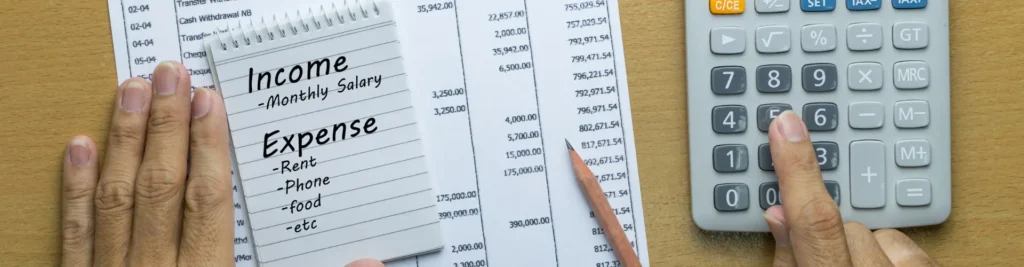
The first step in how to plan your monthly expenses is knowing where your money actually goes. You can’t manage what you don’t see.
- Write down your income
- Note your full take-home pay after deductions like SSS, PhilHealth, and Pag-IBIG.
- List your fixed expenses
- These are rent, bills, and payments that don’t change monthly.
- Check your variable expenses
- This includes food, transportation, and small daily spending.
When you see the full list, you’ll notice where adjustments can be made. That clarity alone reduces stress.
→ Want to sharpen your money skills? Read this: Basic Financial Skills Every New Worker Needs.
Step 2: Divide Using a Simple Formula

Now that you have the list, it’s time to divide it wisely. A proven method is the 50-30-20 rule, a beginner-friendly formula for budgeting.
- 50% for needs – Rent, food, utilities, and transportation.
- 30% for wants – Leisure spending like shopping or hobbies.
- 20% for savings – Emergency fund, investments, or debt payments.
This formula works because it balances enjoyment, responsibility, and future growth.
→ Learn more with our Basic Budget Guide (Para ‘Di Agad Maubos ang Sweldo).
Step 3: Adjust and Stick to the Plan

Making a plan is one thing, following it is another. Here’s how to stay consistent without adding stress.
- Review weekly – Don’t wait until the month ends to check.
- Use simple tools – Free apps, Google Sheets, or a notebook.
- Reward discipline – Small treats help you stay motivated.
Remember, the goal is not perfection but progress.
→ Still struggling with small spending? Here’s How to Avoid Impulsive Buying as a First-Time Earner.
Common Mistakes to Avoid
Even if you plan your monthly expenses, mistakes can still happen. Here are the three most common traps.
Ignoring small expenses
Snacks, extra rides, or small subscriptions seem harmless but add up fast.
Skipping savings
Treating savings as “extra money” is the easiest way to end up broke during emergencies.
Lifestyle inflation
Once income grows, spending grows too. Avoid increasing your lifestyle too fast.
Avoiding these mistakes will make your expense plan stronger.
What Are the Benefits of Planning
So far, we’ve talked about why you need a plan and how to do it.
Now, let’s answer the big question: What will you actually get from planning your monthly expenses?
More control over money
You’ll finally see where your salary goes, giving you a clear direction instead of guessing.
Less financial stress
Bills and emergencies won’t feel as heavy because you’ve already prepared for them.
Better future security
Savings and investments grow steadily, giving you peace of mind and long-term confidence.
These benefits show that planning is not just about numbers. It’s about living with less worry and more freedom.
Final Thoughts
Learning how to plan your monthly expenses doesn’t have to be complicated.
By listing your income and expenses, dividing them with a simple formula, and sticking to the plan, you can enjoy your salary without fear of running out.
Money stress is normal for first-time earners, but it doesn’t have to control you.
Start small, stay consistent, and watch how planning gives you both peace of mind and financial freedom.
References
- Maya. (2025, August 6). Maya.ph. Maya.ph. https://www.maya.ph/stories/how-to-budget-for-monthly-bills-without-stressing-every-sweldo-day
- Schwahn, L. (2024, February 16). Budgeting 101: How to budget money. NerdWallet. https://www.nerdwallet.com/article/finance/how-to-budget
- Bank of America. (2019). Creating a Budget with a Personal Budget Spreadsheet. Better Money Habits. https://bettermoneyhabits.bankofamerica.com/en/saving-budgeting/creating-a-budget